As an Amazon seller, you invest significant time, effort and resources into developing unique products that stand out in a crowded marketplace. Amazon selling is not just about creating a product; it’s about building a brand and a reputation. Imagine the frustration when you discover a competitor has copied your product, capitalizing on your hard work. It can feel like a punch to the gut, undermining your business and potentially damaging your brand’s reputation.
International patent protection can be daunting, complex, and expensive, especially when juggling many other aspects of your Amazon business. However, international patent protection helps safeguard your innovations and maintain your competitive edge on a global scale. The peace of mind that comes from knowing your product is protected is invaluable, allowing you to focus on what you do best—growing your Amazon business.
Consider this blog your guide to understanding why international patent protection is vital. We’ll break down the complexities, dispel the myths, and provide actionable insights to help you make informed patent decisions. Our goal is to equip you with the knowledge and tools to protect your hard-earned innovations and ensure your business thrives.
What is international patent protection, and how does It apply to the Amazon marketplace?


International patent protection is a legal safeguard that extends the exclusive rights granted by a patent to multiple countries. It prevents others from making, using, or selling an invention without the patent holder’s permission, not just in your home country but across the globe. For Amazon sellers, your innovative products are shielded from unauthorized duplication and sales in international markets, allowing you to control your creations and their distribution.
In the context of the Amazon marketplace, international patent protection becomes crucial. Here’s how it applies:
Exclusive rights across borders
International patent protection helps safeguard your product’s unique features in multiple countries. This means competitors cannot legally replicate your product and sell it in markets where your patent is recognized, providing a broader safety net for your innovation.
Brand integrity and reputation
Protecting your products internationally helps maintain your brand’s integrity and reputation. When consumers in different countries recognize your product’s quality and uniqueness, they associate these attributes with your brand, fostering trust and loyalty.
Market expansion and revenue growth
Securing patents in crucial markets allows you to expand your business internationally confidently. It opens new revenue streams while minimizing the risk of copycats that force you to lose market share.
Deterring infringement
International patent protection acts as a strong deterrent against potential infringers. Knowing that legal repercussions are enforceable across borders makes competitors think twice before copying your products, reducing the likelihood of infringement.
Leveraging Amazon’s tools
Amazon provides tools to help you enforce your intellectual property rights, such as Amazon Brand Registry and the Report Infringement Form. These tools are more effective when you have the backing of international patents, as they provide clear proof of your exclusive rights in various markets.
Securing international patent protection requires navigating the complex processes of different countries’ patent offices. This often starts with a PCT (Patent Cooperation Treaty) application, which streamlines the initial steps. While this may seem overwhelming, the long-term benefits of protecting your innovation globally far outweigh the initial investment.
Investing in international patent protection is not just about legal security; it’s about ensuring your business can compete globally without fear of being undermined by copycats.
Is it possible to obtain a single patent for all international countries?

The concept of a “global patent” that provides protection in every country does not exist. The Patent Cooperation Treaty (PCT) allows you to file a unified application, making seeking protection in multiple countries easier. However, it doesn’t grant a single, global patent. After the PCT application, you must file separate applications in each desired country during the national phase, where each country’s patent office will review the application according to its laws.
While you cannot get one patent for all international countries, using the PCT and regional systems can help streamline the process of protecting your innovations globally.
Understanding the Patent Cooperation Treaty (PCT)
The Patent Cooperation Treaty (PCT) is a critical component in international patent protection, offering a streamlined process for inventors and businesses looking to secure patents across multiple countries. But what exactly is the PCT, and how does it benefit you as an Amazon seller aiming for global market reach?
The PCT provides a streamlined procedure for filing patent applications, making it easier and more cost-effective to seek protection for inventions in over 150 contracting states.
Here’s how the PCT works and why it matters for Amazon sellers:
Unified application process
Instead of filing separate patent applications in each country, the PCT allows you to file a single “international” application. This application is recognized by all PCT member countries, lowering the administrative workload and expenses involved in filing patents in multiple countries.
Extended decision timeframe
The PCT process includes an international phase and a national phase. During the international phase, which lasts up to 30 months from the initial filing date, you have time to assess the commercial viability of your invention in different markets and decide where to pursue national patents. This extended time frame allows you to make informed market entry and resource allocation decisions.
Comprehensive search and examination
An international search report and a written opinion on the patentability of your invention are provided during the PCT process. This early feedback helps you gauge the strength of your patent and make necessary adjustments before entering the national phase, increasing the likelihood of successful patent grants in individual countries.
Cost-effective and efficient
By consolidating the initial steps of the patent application process, the PCT reduces redundancy and lowers costs. This efficiency benefits Amazon sellers who often operate on tight budgets.
Global market protection
As an Amazon seller, a robust international patent strategy is crucial to protecting your products in markets around the world. The PCT facilitates this by offering a straightforward path to securing patents in multiple countries, ensuring your innovations are shielded globally from unauthorized use and infringement.
The Patent Cooperation Treaty (PCT) is an invaluable tool for Amazon sellers looking to protect inventions globally. By leveraging the PCT, you can simplify the complex and often costly process of international patent filing, giving you the peace of mind to focus on expanding your reach in the global marketplace.
How to file for international patent protection: A guide for Amazon sellers

Here’s a step-by-step guide tailored for Amazon sellers to help you navigate the complexities of securing international patent protection for your innovative products.
Step 1 Conduct a patent search:
- Preliminary research: Conduct a thorough patent search before filing to ensure your invention is not already patented. Use databases like Google Patents or the United States Patent and Trademark Office (USPTO) database.
- Professional search: Consider hiring a patent attorney or a professional search firm to conduct an in-depth search and provide a detailed report on the patent landscape related to your invention.
Step 2 Prepare a detailed patent application:
- Documentation: Prepare a comprehensive description of your invention, including drawings, specifications, and claims that clearly define the scope of your invention.
Step 3 File a provisional patent application (Optional):
- Early filing date: A provisional patent application in the U.S. can secure an early filing date while giving you 12 months to refine your invention and prepare a complete patent application.
- Cost-effective: This step is cost-effective and allows you to test the market before committing to the entire patent process.
Step 4 Submit a PCT application:
- International filing: Submit your international patent application through the Patent Cooperation Treaty (PCT) system. All PCT member countries recognize this single application.
Step 5 Receive the international search report and written opinion:
- Evaluate feedback: Review the search report and written opinion to assess the strength of your application and make necessary amendments to improve your chances of approval.
- Strategic planning: Use this feedback to decide, based on market potential and competition, which countries you want to pursue patent protection in.
Step 6 Enter the national phase:
- Select countries: After the international phase (up to 30 months from the initial filing date), enter the national phase by filing your application in the selected countries. Each country will conduct its examination process.
- Local representation: In each country, you may need to work with local patent attorneys to navigate specific requirements and procedures.
Step 7 Respond to national office actions:
- Examination process: National patent offices may issue actions or requests for additional information. Work with your patent attorney to respond promptly and accurately to these requests.
- Amendments: Be prepared to make necessary amendments to your application based on feedback from national patent offices.
Step 8 Maintain your patent:
- Renewal fees: Pay the required maintenance or renewal fees to keep your patent active in each country where it has been granted.
- Monitoring and enforcement: To protect your intellectual property, monitor the marketplace for potential infringements and enforce your patent rights.
This strategic approach to international patent protection safeguards your products and positions your brand for sustained growth and success in the competitive global marketplace.
Drawbacks of international patents under the PCT
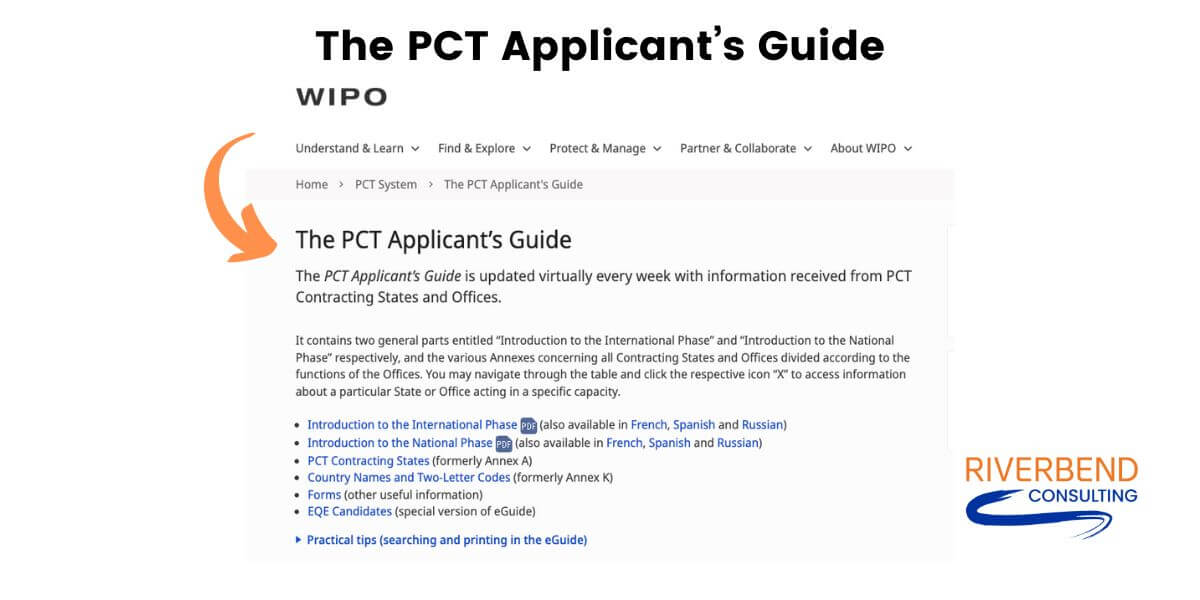
While the Patent Cooperation Treaty offers significant advantages for obtaining international patent protection, it’s essential to be aware of the potential drawbacks. Here are some of the key challenges and limitations associated with PCT applications:
High Costs
- Initial expenses: Filing a PCT application can be costly, involving fees for the application and international search and examination fees. These costs can quickly add up, especially for Amazon sellers, where resources can be tied up in inventory and scaling.
- National phase expenses: After the international phase, entering the national phase in multiple countries can be prohibitively expensive. Each country has its own filing fees, translation costs, and attorney fees, which can strain financial resources.
Complex process
- Administrative burden: Managing a PCT application requires adherence to strict deadlines. Coordinating filings, responses, and communications across multiple jurisdictions can be overwhelming.
- Legal expertise: Navigating the PCT process and the subsequent national phases can necessitate the involvement of patent attorneys with expertise in international patent law, adding to the complexity and cost.
Uncertain outcomes
- Varied examination standards: Each country has its patent laws and standards. An invention granted a patent in one country may be rejected in another, leading to inconsistent protection.
- Extended timeframes: The PCT process can extend the time it takes to obtain patents. While the international phase provides up to 30 months for decision-making, the subsequent national examinations can take several more years, delaying market entry and enforcement.
Limited enforcement
- Jurisdictional limits: A PCT application does not result in a unified international patent. Instead, it leads to individual national patents. Enforcing these patents requires navigating the legal systems of each country, which can be challenging and costly.
- Enforcement costs: Pursuing infringement cases in multiple jurisdictions can be financially draining and time-consuming.
Strategic considerations
- Market selection: Deciding which countries to seek protection requires careful strategic planning. Not all markets may be commercially viable, and the costs of obtaining and maintaining patents in numerous countries might outweigh the benefits.
- Competitor actions: Competitors in countries where you have not secured patents can legally produce and sell similar products, potentially undermining your market share and profitability.
The high costs, administrative complexity, uncertain outcomes, and enforcement difficulties can pose significant hurdles to international patent protection for Amazon sellers. It’s essential to weigh these drawbacks against the potential benefits and develop a well-informed, strategic approach to international patenting.
How can an Amazon appeal and reinstatement agency help you navigate international patents?
Navigating the complex world of international patents can be challenging, especially when faced with infringement issues or Amazon seller account suspensions related to intellectual property disputes. Riverbend Consulting helps you resolve various issues on the platform, including those related to international patents. Here’s how we can assist:
Expert guidance and consultation
- Specialized knowledge: Our experts understand Amazon’s policies and procedures and the intricacies of international patent law. We provide the necessary guidance to protect your patents effectively.
- Strategic advice: We help you develop a strategic approach to patent protection, ensuring that you file patents in the most relevant markets and understand the legal landscape in each country.
Amazon Appeal and reinstatement services
- Account suspension appeals: If your Amazon seller account is suspended due to alleged patent infringement, we can draft a compelling appeal to Amazon. We understand the appeals process and can write well-reasoned arguments to support your case.
- Reinstatement assistance: In cases where your account has been deactivated, we work to reinstate your account by addressing Amazon’s concerns and demonstrating compliance with all necessary regulations and policies.
Effective communication and support
- Effective communication: We communicate with Amazon on your behalf, providing clear and concise information to resolve issues quickly and efficiently.
- Proactive measures: We take proactive steps to prevent future infringements and issues. Services like our seller account protection service provide peace of mind, allowing you to focus on growing your business.
The threat of patent infringement is an all-too-common challenge on Amazon that can jeopardize your hard work and investment. Infringements can be frustrating and costly and can severely impact your business’s reputation and profitability.
Navigating the complex world of international patents is essential to safeguarding your innovations. Understanding the importance of patent protection and leveraging resources like the PCT can provide the security you need. Securing international patents helps ensure that your products are protected from unauthorized replication, maintaining your competitive edge and preserving the integrity of your brand.
Seeking the assistance of an Amazon appeal and reinstatement agency can provide invaluable support in managing and enforcing your intellectual property rights. At Riverbend Consulting, we offer expert guidance, handle infringement issues, and help resolve disputes, allowing you to focus on what you do best—growing your business.
While securing international patents involves significant effort and investment, the long-term benefits outweigh the challenges. We’re here to help. Contact us for help protecting your intellectual property rights on Amazon.
Seller Account Health. Solved.