
Can you sell generic items on Amazon? It’s doable, but let’s be real—it’s not your best bet. While you can list unbranded or white-label products on the platform, going down the generic route puts you in a tough spot. Why? Because selling generic items on Amazon means competing in a race to the bottom.
Amazon has evolved. Shoppers want more than just the cheapest option—they want trust, quality and value. Generic items don’t offer the same credibility as a recognizable brand, so you’ll need to work twice as hard to get noticed. It’s not impossible, but it’s definitely an uphill battle.
Let’s examine what you need to know to avoid the pitfalls of generic items on Amazon and how to succeed.
What are generic items on Amazon?
Generic items on Amazon are unbranded items with no recognizable name or logo. Think of them as the “no-name” goods on store shelves—functional but lacking that extra appeal from a trusted brand. Generic items typically come from manufacturers who mass-produce items and sell them in bulk to multiple sellers. You can slap your label on them or leave them as is.
But here’s the thing: without a brand identity, you lose the trust factor that Amazon customers look for when purchasing. When you sell generic products, you compete on price and price alone. There’s no brand loyalty to fall back on. This can put you at a disadvantage right out of the gate, as trust is everything on Amazon.
Why is reputation everything to Amazon?
Amazon is a business at the end of the day, and it needs to protect its reputation to remain at the top. Because of that, Amazon is highly customer-centric. With millions of people visiting the online platform daily, Amazon focuses on creating the best customer experience. Amazon already enjoys some monopoly in the e-commerce space, with 300 million active customers, 160 million of whom are Amazon Prime members.
Because of Amazon’s standards, every customer who visits the platform expects the best. Selling generic products can result in a negative customer experience and attract bad reviews.
Can you sell generic items on Amazon: Why it’s a bad idea
Some sellers purchase generic products from other e-commerce stores and resell them on Amazon. The reality, however, is that while drop-shipping and similar strategies may work, they aren’t sustainable. At some point, these strategies might get you in trouble with Amazon and have your Amazon seller account suspended or your seller rights removed. If that happens, you won’t have much recourse. Other problems that arise from selling generic items on Amazon include:
- Any seller can sell a version of your generic product: Generic items don’t have branding. Because of that, any other seller can get on your listing and sell a different product version, usually at a much lower price. This creates unnecessary competition that reduces your sales. If your products are branded, it becomes more difficult for someone to make copycat versions and sell them on Amazon.
- Other sellers can duplicate your listings: Generic products leave you susceptible to other sellers duplicating your product listings. When someone duplicates your listing, they sell a product they don’t have and can’t fulfill. There’s very little you can do when this happens because your product is not branded.
- Difficulty resolving customer complaints: Customer complaints will happen to every seller at some point. Most sellers get to handle these issues without any negative consequences on their accounts. With generic items, it’s a little different. When a customer raises a complaint, Amazon requires you to provide invoices for authentication. If Amazon can’t match the brand name to your invoices, Amazon may shut down your listing or, worse, your whole account. While you may appeal, most customer complaint cases involving generic items don’t go anywhere.
What’s the best alternative to selling generic items on Amazon?

If selling generic items feels like an uphill battle—and let’s be honest, it often is. Don’t fret– there’s a better option, private label selling. Private label selling enables you to take mass-produced goods and turn them into your own unique brand. Building a brand is where the real opportunity exists on Amazon.
When you create a private label brand, you add value beyond just the product itself. You can craft a brand story, build customer loyalty, and command higher prices. Customers aren’t just looking for the cheapest option—they want something they can trust. A private label brand helps you differentiate from the sea of generic sellers, giving you control over how your product is perceived.
And here’s the kicker: you don’t need to reinvent the wheel. The product might be the same as what’s being sold generically, but your branding, packaging, and marketing set you apart. Done right, and private labeling gives you a foothold in Amazon’s marketplace that generic products simply can’t match.
If private label selling is not a model you can explore (it requires a higher initial investment), you can source branded items from wholesalers, manufacturers or distributors and sell them on Amazon for a profit.
Here’s why branded products are a better alternative to generic goods:
- No brand restrictions: Amazon has restrictions on selling products from other brands. You don’t have to worry about this when you create your own brand.
- Little competition: When you sell generic items, competition is higher. With private labeling, differentiation helps you stand out and can increase your competitive edge.
- Enhanced content and resources: A+ Content is available to registered brands on the platform. The feature allows you to customize your listing with high-quality multimedia content. These premium features enhance the shopper experience, increasing traffic and conversions.
Like any business you build from the ground up, establishing a brand and seeing results takes time. Consider private labeling a long-term investment you can cash in later. Researching and finding products worth investing in is the key to building a memorable brand. Partnering with an Amazon problem solving agency can give you a leg up in the behind-the-scenes details like account setup, account health, understanding Amazon policy and drafting Amazon POAs which can be a lifeline if and when you face issues.
Things to consider when building a brand
Building a brand isn’t about adding a logo to a product and calling it a day. It takes strategy, consistency, and a deep understanding of what makes your product stand out. If you’re not ready to put in the work, don’t expect to see long-term results.
If branding previously generic items, your brand must be front and center on your product and packaging. The product must be manufactured under your brand—not just a generic item with your label. Sticking a label on a product and calling it your own is a quick way to attract negative reviews and wreck your brand before it has a chance to grow.
- Don’t overcomplicate things: You don’t need to invent something groundbreaking to be successful. Focus on finding a solid product, researching demand and competition, and figuring out how you can improve it. Tools like Helium 10 and Jungle Scout can help you identify products with real potential.
- Know your audience: Understanding buyer demographics and psychology is critical. Tailor your messaging, design, and product features to meet your target audience’s needs.
- Be consistent: Consistency in your branding, from product quality to customer service, builds trust over time. Don’t confuse your buyers by switching your messaging, colors or tone across platforms and social media channels or rebranding too frequently.
- Focus on quality: Cutting corners on product quality will haunt you. A strong brand is built on value and dependability. Ensure your products exceed expectations every time.
- Tell a story: A compelling brand story creates an emotional connection with customers. Why does your brand exist? What problem are you solving? Answering these questions helps build a loyal following and helps build customer advocacy.
Tools available to help you build a brand and avoid generic items
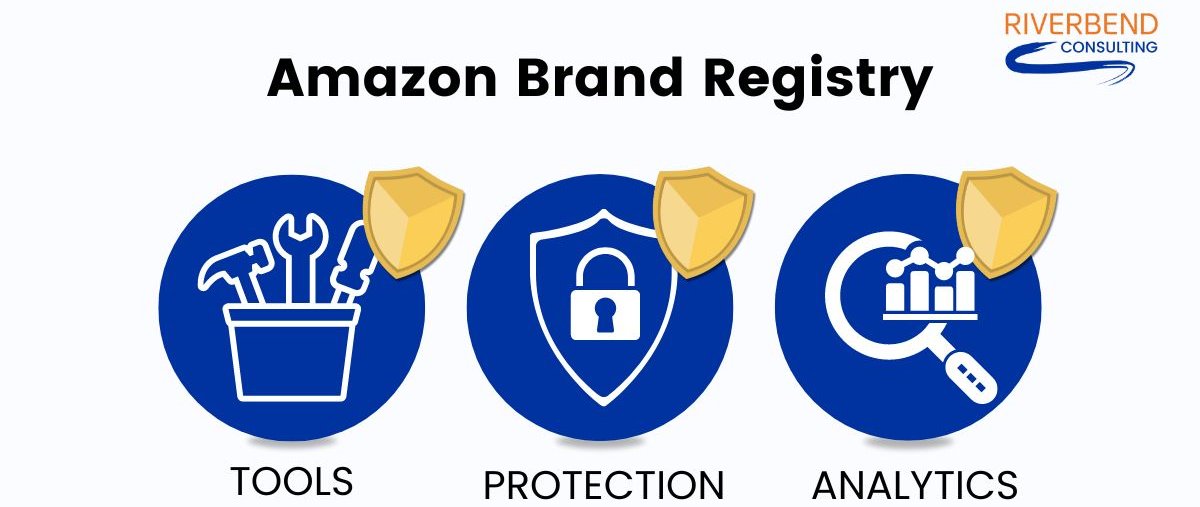
Here are a few additional insights and tips that can be valuable when building and growing a brand on Amazon:
Leverage Amazon’s tools
Amazon offers powerful tools to give your brand an edge. Amazon Brand Registry provides access to enhanced brand protection, product detail control and marketing features. Through tools like A+ Content, you can improve product pages by adding rich content such as detailed descriptions, high-quality images, and comparison charts. This can significantly increase conversion rates and build trust with your customers.
Focus on customer experience
Your brand is only as good as the experience customers have with it. Pay attention to every detail of your customer’s journey—from browsing to post-purchase. Craft clear and accurate product listings that are informative and visually appealing. Fast shipping and responsive customer service can turn a one-time buyer into a loyal customer. Solicit feedback through follow-up emails and respond to positive and negative reviews to show you care about the customer experience.
Build a solid review base
Reviews are the lifeline of your business on Amazon, especially when launching a new brand. Encourage satisfied customers to leave reviews, but be careful to follow Amazon’s guidelines when requesting them. Positive reviews help boost your visibility and credibility, while bad reviews wear down trust and customer satisfaction. If your product receives negative feedback, take it as an opportunity to improve and promptly address customer concerns.
Invest in advertising
Amazon is a pay-to-play environment, especially for new brands. Sponsored Products and Sponsored Brand ads can increase your product’s visibility and give it a fighting chance against established competitors. Use Amazon’s advertising tools strategically, focusing on the keywords and product categories most relevant to your brand. Regularly analyze your campaigns to ensure you’re getting the best return on your investment.
Diversify your sales channels
While Amazon is a fantastic platform, relying on it alone can be risky. Consider building an e-commerce website or expanding to other platforms like eBay, Walmart, or Shopify. This diversifies your income streams and helps you create a broader brand presence outside Amazon’s ecosystem. Owning customer data through your website helps foster deeper relationships and precise customer targeting.
Monitor competitors regularly
Keep an eye on your competitors’ activities—both direct and indirect. Study their pricing, product features, and customer feedback to stay ahead of trends and spot gaps in the market. Competitor analysis should be ongoing to ensure your brand remains relevant and competitive.
Build a brand customers fall in love with
Selling generic items has significant downsides, such as the risk of account or ASIN suspension. However, building your own brand offers a more sustainable approach. When done correctly, private label helps you stand out and keep you in compliance with Amazon’s guidelines. It’s about playing the long game, investing in your brand, and continuously evolving as the market changes. Whether using Amazon’s tools to elevate your product listings or investing in advertising to drive traffic, everything you do should tie back to one goal—building a brand that people trust and return to.
Those who thrive on Amazon are the ones who treat their brand as more than just a product. They invest in the customer experience, adapt to market changes, and work hard to stay ahead of their competition. It’s not always easy, but the rewards can be massive. So, roll up your sleeves, get strategic, and start building a brand that lasts.
Do you have a generic item that has gotten suspended or led to an Amazon seller account suspension? Riverbend Consulting can help. Contact us.
Seller Account Health. Solved.