Starting an online business, especially on Amazon, is exciting—but it also comes with a long list of potential expenses that can be overwhelming. You’re likely wondering, “Do I really need an LLC for Amazon, or is that just another cost I can push off for now?” Feeling a little lost in all the paperwork, legal jargon and upfront costs is understandable. After all, when you’re trying to budget for inventory, marketing and shipping, the last thing you want is unnecessary expenses.
Here’s the truth: Knowing what’s required for your Amazon business legally and practically can save you headaches down the road. We’ve worked with thousands of Amazon sellers, and we get it: you want to focus on selling, not sifting through legal complexities. A solid foundation is crucial to your success, and understanding when an LLC is needed (or not) is a vital part of that foundation.What is an LLC?
A Limited Liability Company (LLC) protects your personal assets from business liabilities in the United States. If something goes wrong with your business, like a lawsuit or financial trouble, your personal savings, home and other assets aren’t at risk. Getting sued may seem far-fetched when you’re just starting, but even simple issues like product or IP complaints can spiral into legal trouble. An LLC provides that extra layer of protection. Here are three benefits of forming an LLC for e-commerce.
First, it provides limited liability protection, which separates your personal assets from business liabilities, safeguarding you in case of legal issues.
Second, an LLC offers tax flexibility, allowing you to choose how your business is taxed, such as a sole proprietorship or S-Corp.
Third, it enhances credibility, making your business appear more professional to customers, suppliers, and partners. Lastly, it simplifies financial management, allowing you to keep personal and business finances separate for easier accounting and record-keeping.
Types of LLCs
Here are the main types of LLCs:
- Single-Member LLC: Owned by one person, offering liability protection while maintaining simplicity.
- Multi-Member LLC: Owned by two or more individuals, with flexible management and tax options.
- Series LLC: Allows for multiple divisions, each with its own assets and liabilities, under a single LLC.
- Member-Managed LLC: The owners (members) manage the daily operations of the business.
- Manager-Managed LLC: Owners appoint managers to run the business, either internal or external to the company.
Most LLCs are approved within a few days to a few weeks. However, expedited processing may be offered for an additional fee, depending on the state, allowing you to complete the process faster.
Forming an LLC doesn’t have to be complicated. It’s about being proactive, not reactive, and setting yourself up for success by ensuring your personal and professional worlds stay separate.
Sole proprietorship vs. LLC: What’s the difference?

Choosing the right business structure is a big decision. Most people begin as sole proprietors because it’s the most straightforward option. There’s no paperwork or filing fees; you run the business yourself. But with that simplicity comes a downside. If something goes wrong as a sole proprietor, your personal assets, like your home or car, could be on the line.
An LLC offers something sole proprietorships can’t, limited liability protection. Forming an LLC creates a legal barrier between you and your business, so if your company faces legal trouble, your personal assets are shielded. While an LLC requires more paperwork and fees, it’s a small price to pay for the peace of mind it brings.
Your decision comes down to risk tolerance and how serious you are about growing your business. If you’re selling casually on the side, a sole proprietorship might work for now. But if you have bigger plans, protecting your personal assets with an LLC is often a smarter move.
How do you know when to start an LLC for Amazon?
Deciding when to form an LLC is a pivotal moment for any Amazon seller. It’s natural to wonder if it’s worth the cost and effort, especially if you’re just starting. There’s no one-size-fits-all answer, but there are clear signs that it’s time to make the leap.
First, consider how serious you are about your business. If selling on Amazon is more than just a hobby and you’re investing significant time, energy and money into scaling your operations, an LLC can provide the legal protection you need as your business grows. Think of it as a safety net. If you’re committed to expanding, you want to safeguard your business and personal finances from unexpected legal issues or liabilities.
Second, bringing in consistent or high-volume revenue and hiring employees indicates your business is becoming more established. With more customers and larger transactions come increased risks. An LLC gives you that extra layer of protection when you notice growth in your business.
Finally, if you’re concerned about personal liability, whether from product issues, contract disputes, or other business-related risks, an LLC is worth consideration. Some categories come with more risk of Amazon seller account suspension and legal ramifications. It’s about being proactive and protecting what you’ve worked so hard to build. While forming an LLC might seem like a big step, it can actually free you to focus on growing your business, knowing you have the proper legal structure in place.
How to set up an LLC

Can you form an LLC yourself? Yes, you can–many small business owners do. The process is pretty straightforward but requires attention to detail to avoid costly mistakes.
- Step 1 Name your LLC: Pick a unique business name that complies with your state’s regulations and aligns with your Amazon brand. Ensure the name isn’t already used by another business in your state to avoid any legal complications. Include an indicator in your business name that identifies it as an LLC. This means adding one of the following to the end of your business name: “Limited Liability Company,” “Limited Company,” or the abbreviations “LLC,” “L.L.C.,” “LC,” or “L.C.”
- Step 2 Select a registered agent: Registered agents are people or services that receive legal documents on your behalf, ensuring business compliance. They must have a physical address in the state where your LLC is registered. Some business owners act as their registered agents, but you can also hire a service to handle this.
- Step 3 File your articles of organization: Submit your LLC’s Articles of Organization with your state’s business registration office. This document includes basic information like your LLC’s name, address, and the names of its members. You’ll also need to pay a filing fee, which varies by state.
- Step 4 Obtain an EIN from the IRS: An Employer Identification Number (EIN) is essential for tax purposes and other business functions, like opening a bank account. Apply for an EIN online through the IRS. The process is quick and free.
- Step 5 Create an operating agreement: An operating agreement outlines how your LLC will operate, even if you’re the only member. It’s not always required by law, but it’s a good idea to have it in place to formalize how your business will run and how decisions will be made.
- Step 6 Open a business bank account: Once you have an EIN, open a separate business bank account to separate your personal and business finances. This is essential for maintaining your limited liability protection.
- Step 7 Stay on top of state requirements: Many states require annual reports and renewal fees to keep your LLC in good standing. Keep track of these obligations to maintain your LLC’s legal protections.
Do I need a business license or sales tax permit for an LLC on Amazon?
While Amazon doesn’t require a business license to open a seller account, your state or local laws might. Check your local requirements to ensure you’re operating legally. Consulting a tax professional or attorney is a good step when formalizing your business.
If you’re forming an LLC, understanding the state regulations for LLC formation is essential. Many wholesalers and suppliers require a business license and sales tax permit to verify that you’re a legitimate business. A sales tax permit allows you to buy inventory tax-free and collect sales tax for your state. This applies whether you’re selling locally or using Amazon’s FBA program, where you may also need to pay sales tax in other states where your inventory is stored.
Even if you’re a private label or retail arbitrage seller, verifying local laws and ensuring full compliance is crucial when setting up your LLC to help protect your business from potential legal or tax issues.
How much does starting an LLC for Amazon cost?
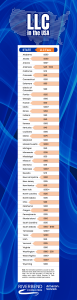 Considering the legal requirements for Amazon sellers specific to your LLC is important. Starting an LLC comes with some costs, but they vary depending on the state. Paying more upfront may seem daunting, but the long-term benefits, especially protecting your personal assets, make it worthwhile.
Disclaimer: The costs mentioned in this section are estimates and can vary based on your state’s requirements and chosen services. Be sure to check with local authorities or professionals for the most accurate information regarding LLC formation fees.
- Filing fees: The primary cost of an LLC for Amazon will be the state filing fee for your Articles of Organization, which ranges from $50 to $500. States like California and New York tend to have higher fees, while others, such as Kentucky or Colorado, are on the lower end.
- Registered agent fees: Hiring a registered agent instead of acting as your own will add to your expenses. The cost for a registered agent typically ranges from $100 to $300 per year. This service ensures that someone can receive legal documents for your business, giving you peace of mind.
- Operating agreement (if you hire legal help): While an operating agreement isn’t required in every state, it’s highly recommended. If you hire a lawyer to draft one for you, this could cost anywhere from $100 to $1,000, depending on the complexity of your business. Many new LLC owners use templates to save on costs.
- Employer Identification Number (EIN): Getting an EIN from the IRS is free. An EIN is required to open a business bank account and file taxes for your LLC.
- Ongoing fees: In addition to the startup costs, many states require annual fees to keep your LLC in good standing. Depending on your location, these can range from $50 to several hundred dollars. Some states also require an annual report, which may have an additional fee.
- Total costs: Forming an LLC for your Amazon business typically costs between $200 and more than $1,000 in the first year. The exact amount depends on your state and whether you hire services, such as a registered agent or legal assistance for drafting an operating agreement.
Understanding fees beforehand allows you to budget effectively, ensuring you’re prepared.
What are the disadvantages of an LLC for Amazon?
While forming an LLC offers many advantages, there are a few downsides.
- Initial and ongoing costs: An LLC can be more expensive than a sole proprietorship. Filing fees, registered agent services, and annual reports can add up.
- Increased paperwork: An LLC requires more administrative work, including filing Articles of Organization, maintaining an operating agreement, and keeping up with annual state requirements.
- Self-employment taxes: In many cases, LLC owners are subject to self-employment taxes. This means you pay the employee and employer Social Security and Medicare portions.
- State-specific rules: Some states have additional LLC regulations, including franchise taxes or annual reporting fees, which can make operating more costly or complicated.
- Not always necessary for small sellers: If you’re a small Amazon seller or just getting started, the legal protections of an LLC may not be required immediately, adding an extra layer of expense without much benefit.
These factors don’t necessarily outweigh the benefits, but they’re important to consider when deciding if an LLC is right for your Amazon business.

Can you change your business type on Amazon to an LLC?
Whether you are transitioning from a sole proprietorship to an LLC or restructuring your business entirely, Amazon allows you to update your business type details. Switching business types can have serious implications, so it’s important to consult legal and accounting professionals before transitioning.
- Step 1 Log into Seller Central: This is where you’ll manage your business details, including your business type. Ensure you’re accessing the account linked to your current business.
- Step 2 Navigate to ‘Account Info’: Once logged in, hover over the “Settings” tab in the top-right corner of the page. From the dropdown menu, click on “Account Info.” This is where you can view and update your business information.
- Step 3 Update your business type: Find the “Business Information” option in the Account Info section. Here, you’ll see the current business type you have on file, such as a sole proprietorship, partnership, or LLC. Click the “Update” button to modify this information. Select the LLC option from the menu if you’re switching from a sole proprietorship to an LLC. Have your official business registration details handy, as Amazon may request documentation to verify the change.
- Step 4 Provide new tax information: You’ll also need to update your tax information if changing your business type. Still in the Account Info section, look for the “Tax Information” tab. Update your Employer Identification Number (EIN) or other tax identifiers based on your new business structure. Amazon will likely prompt you to complete or verify your IRS W-9 form during this step.
- Step 5 Submit documentation (if required): Depending on the nature of your business change, Amazon may ask for supporting documents to verify your new business type. This could include your LLC registration, partnership agreement, or other official documents. Be sure to upload these promptly to avoid any delays.
- Step 6 Review your business bank account: Whenever you change your business type, it’s important to ensure that your bank account details align with your updated entity. You’ll want to verify that the account you’re using for Amazon payments is in your new business’s name. If needed, update your payment details in the “Deposit Methods” section under Account Info.
- Step 7 Double-check everything: Before finalizing, review all your information. Ensure your new business type, tax information, and payment details are accurate. Mistakes can cause delays in payouts or, worse, account suspensions.
- Step 8 Contact Seller Support if needed: If you run into any issues while updating your business type or if Amazon requests additional verification, contact Seller Support. They can guide you through the process and ensure everything is updated correctly.
Is an LLC the right move for your Amazon business?
Deciding whether or not to form an LLC is a crucial decision. An LLC for Amazon offers valuable protection for your personal assets and can give your business a more professional standing. However, it also comes with its own set of costs, responsibilities and legal considerations. Understanding the details, like whether you need a business license, sales tax permit, or how to navigate your state’s specific requirements, can make all the difference in setting your business up for success.
As always, we’re here to help.
Seller Account Health. Solved.