As an Amazon seller, you juggle countless challenges, from driving traffic to your listings to standing out in a sea of competition. Running a business on Amazon can feel overwhelming, especially when you know gaining customer trust is the key to success. That’s where the Amazon Vine program comes in. It’s a tool that can help you get honest reviews to help boost your product’s visibility. But let’s be honest: it’s not a magic bullet, and it’s not for everyone. Unlock everything you need to know about the Amazon Vine program to decide if it’s the right move for your business.
What is the Amazon Vine program?
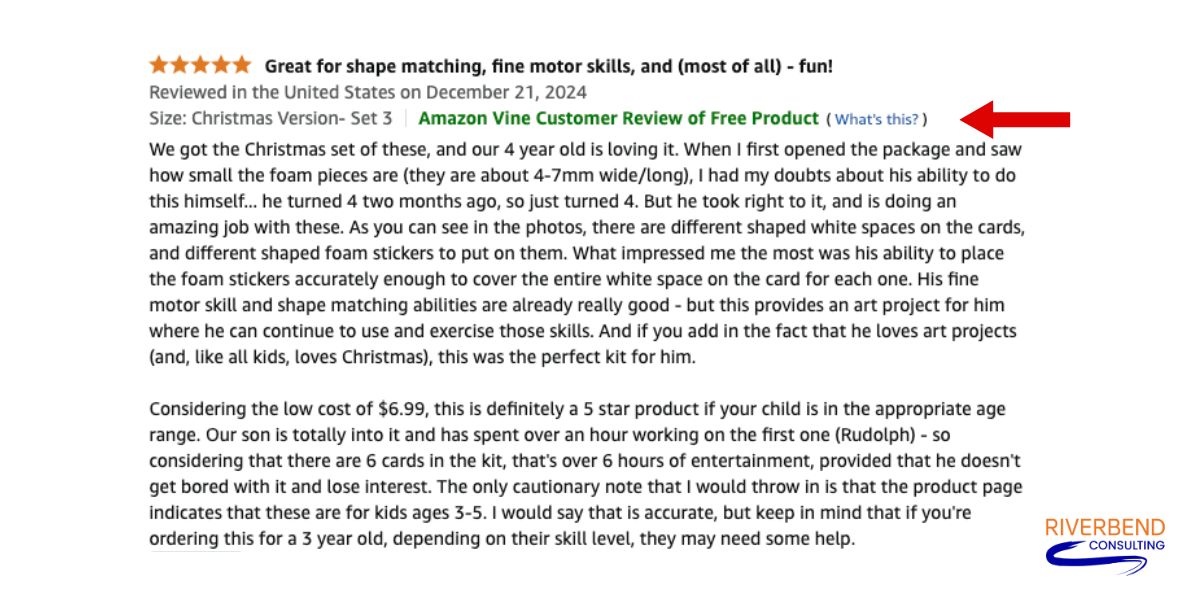
The Amazon Vine program is an invite-only initiative that helps sellers generate honest product reviews. Amazon selects top reviewers, known as Vine Voices, who receive free products in exchange for their unbiased feedback. These reviews can provide credibility and build trust with potential customers.
Amazon ensures these reviews are unbiased by preventing sellers from communicating directly with reviewers or influencing their opinions. This method creates authentic customer engagement while giving your product much-needed exposure.
Benefits of Amazon Vine for sellers

Enrolling in Amazon Vine offers several advantages for sellers, especially if you’re launching new products or trying to stand out in competitive categories.
- Credibility through verified reviews: The reviews you gain through Vine are from trusted Amazon reviewers, which means they often carry more weight with potential buyers.
- Higher conversion rates: Products with multiple reviews tend to convert better.
- Boosted visibility: Reviews can contribute to your product’s visibility in search results, helping it gain traction faster.
- Valuable feedback: The input from Vine Voices can offer insights into what’s working and what might need improvement.
The Vine program can be an effective strategy for establishing your product in a crowded market or boosting a slow-moving item.
How do I qualify for the Amazon Vine program?
Amazon has set specific criteria to ensure the program’s integrity and effectiveness. Meeting these requirements positions your product to maximize the potential benefits of the program.
Criteria to qualify:
Amazon Brand Registry enrollment: To participate, your brand must be registered through Amazon’s Brand Registry. This step protects your intellectual property and ensures that only legitimate, vetted brands are part of the program.
Product availability: Only products with fewer than 30 reviews at enrollment are eligible. This rule ensures that Vine is used primarily for new or under-reviewed products.
Fulfillment by Amazon (FBA): Your product must be fulfilled by Amazon. This guarantees a smooth delivery experience for reviewers, which helps maintain the program’s credibility.
New condition only: The item must be brand-new. Used or refurbished products are not eligible for Vine, as Amazon wants to ensure reviewers evaluate products in their original state.
Sufficient inventory: You must have enough stock to fulfill requests from Vine Voices. Typically, Amazon allows up to 30 units per ASIN to be distributed for reviews. Having insufficient inventory could hinder your ability to meet the program’s requirements.
While meeting these criteria doesn’t guarantee success, it does open the door to effectively leveraging the Vine program. If you’ve checked off these boxes, you’re ready to explore how Vine can enhance your product’s visibility and reputation.
How much does the Amazon Vine program cost for sellers?

Amazon Vine isn’t free, but it can be a worthwhile investment. Sellers pay a program fee, which varies depending on the units enrolled. This fee allows Amazon to manage the program and ensure its smooth operation.
In addition to the fee, you must cover the cost of the products provided, including shipping. While the upfront costs can feel significant, the long-term value of increased visibility and reviews often outweighs the expense if the program is approached strategically.
Are there any Vine restrictions to be aware of?
Yes, there are restrictions that you need to be aware of before enrolling in Amazon Vine. Not every product is eligible, and understanding these limitations can save you time and resources:
- Prohibited product categories: Certain product types, like adult products, hazardous materials and digital items, cannot be enrolled.
- Product variations: Each variation (e.g., size, color) must be enrolled separately and meet eligibility requirements.
- Review cap: Amazon limits the number of units sent out for review to 30 per ASIN.
- Content guidelines: Reviews must comply with Amazon’s community guidelines to remain visible without incentivizing or influencing reviews.
These restrictions ensure the program maintains integrity and delivers value for you and your customers.
Is Amazon Vine worth it?
Whether or not Amazon Vine is worth it depends on your goals, product type and budget. For sellers launching a new product or trying to break into a competitive category, Vine can provide an invaluable head start by generating early reviews.
However, it’s not for everyone. If your margins are thin or your product doesn’t have strong appeal, the investment may not yield the desired results. If you’re already receiving organic reviews, the program might be unnecessary.
The key is to evaluate your current needs, product performance and budget before deciding.
Steps to enroll in Amazon Vine

Enrolling in the Amazon Vine program is straightforward if your product meets the eligibility criteria. Here are the steps sellers need to follow.
- Log into your Seller Central account: Begin by accessing your Seller Central dashboard.
- Navigate to the “Vine Enrollment” page: Go to the “Advertising” tab and select “Vine” from the drop-down menu. Remember, you need to be enrolled in Amazon Brand Registry.
- Select the product to enroll: Choose the ASIN you want to enroll. Ensure the product meets all eligibility requirements.
- Provide inventory for reviews: Confirm that you have sufficient inventory (up to 30 units) for distribution to Vine Voices.
- Pay the enrollment fee: Complete the payment for the Vine program fee, typically $200 per ASIN.
- Submit your enrollment: Finalize the enrollment process by submitting your selected product for review. Amazon will handle the rest, distributing your product to Vine Voices for feedback.
Once enrolled, monitor your product reviews closely and address any reviewer concerns to maximize the program’s value and maintain compliance with Amazon’s policies.
What to avoid with the Amazon Vine program
The Amazon Vine program can be a fantastic tool for growing your product’s visibility and generating trusted reviews, but it’s not without pitfalls. Learn what to avoid to get the most value from the program and avoid common missteps.
#1 Relying solely on Vine: While reviews from Vine Voices can provide a solid foundation, they shouldn’t be your only strategy for building credibility and sales. Think of Vine as one piece of your overall marketing and launch plan. Pair it with targeted advertising, optimized product listings and social media to create a well-rounded approach.
#2 Overlooking product readiness: Submitting a product to the Vine program before it’s truly ready can backfire. Ensure your product is high quality and that your packaging is professional and secure. Any flaws or inconsistencies can lead to negative reviews, which can hurt your credibility rather than help it.
#3 Ignoring costs: It’s easy to focus on the benefits and overlook the expenses involved. Beyond the program’s enrollment fee, you’ll also need to account for the cost of the products you’re giving away and any associated shipping fees. Budget carefully and assess whether the potential ROI aligns with your financial goals.
#4 Violating Amazon’s guidelines: Attempting to influence or manipulate reviewers in any way is strictly prohibited and can lead to severe penalties, including Amazon seller account suspension. Stick to the rules and trust that the reviews will reflect the genuine quality of your product.
Each of these pitfalls can undermine the success of your Vine strategy and, in some cases, harm your reputation on Amazon. The Amazon Vine program is a tool. It’s how you use it that determines its value. A thoughtful, strategic approach can help you get the most out of the program.
The connection between Vine reviews and Amazon policy violations
While Amazon Vine is a valuable tool for generating reviews, you must be cautious about how these reviews intersect with Amazon’s strict policies. Even though Vine reviews themselves aren’t inherently tied to Amazon seller account suspensions, they can inadvertently expose issues that lead to serious consequences. Policy violations related to listing inaccuracies, misleading claims, or product quality can result in listing suppression—or worse, an account suspension. Here are some critical areas to monitor.
Listing policy violations: Vine reviews can shed light on inconsistencies or inaccuracies in your product listings. If your description overstates features or includes unverified claims, Vine reviewers might call out these discrepancies. Amazon often takes such feedback seriously, potentially triggering investigations into your compliance with listing policies.
Deceptive product descriptions: If there’s any mismatch between what your listing promises and what customers receive, Amazon may view this as intentional deception. This applies even to minor errors like inaccurate dimensions, overstated functionality, or missing components. Discrepancies can escalate into serious policy violations that jeopardize your account.
Product quality issues: Vine reviews often highlight product flaws, packaging problems, or overall quality concerns. If recurring negative feedback flags your product as subpar, Amazon may suppress or remove the listing entirely. Persistent issues can even result in Amazon seller account suspension, as Amazon strives to maintain a high standard of customer trust.
To prevent listing inaccuracies, quality concerns, or inadvertent policy violations from spiraling into account issues, take the following actions:
- Perfect your listings: Review every aspect of your product descriptions, images and features to ensure 100% accuracy. Avoid using exaggerated claims, unverified benefits, or language that could mislead buyers. Ensure that your listings set realistic expectations for customers.
- Focus on quality assurance: Guarantee your product meets or exceeds the expectations set by your listing. Conduct thorough inspections to catch defects, maintain consistent inventory standards, and review your packaging for durability and presentation.
- Leverage Vine feedback constructively: Treat Vine reviews as an opportunity to identify and address any recurring issues. If valid concerns are raised, take swift action to improve your product or resolve the problem to enhance customer satisfaction.
- Stay compliant with Amazon policies: Keep up to date with Amazon’s guidelines for product listings and compliance. This helps you avoid unintentional violations while maintaining a healthy account. Regular reviews of your listings and adherence to policy updates are essential to staying in good standing.
What should you do if your Amazon seller account is suspended?
If your account is suspended, it’s important to act quickly and strategically to address the issue.
Start by reviewing the suspension notice carefully to understand the specific infraction. Pinpoint the root cause of the violation, whether related to product eligibility, listing accuracy, or quality complaints stemming from Vine Voices or otherwise.
Next, draft an Amazon POA (Plan of Action) that includes three key components: an explanation of what happened, the immediate steps you’ve taken to resolve the issue and a clear plan to prevent it from happening again. Submit your POA through Seller Central along with any supporting documentation. If you feel unsure about the process, consider working with an Amazon seller account reinstatement expert who can guide you through crafting an adequate response.
Stay current on Amazon’s policies, monitor reviews for recurring issues, and regularly audit your product listings to ensure accuracy and compliance. With a proactive approach and a solid POA, you can recover your account and safeguard your business.
Wrapping up your Amazon Vine strategy
The Amazon Vine program can help you build credibility, visibility and trust through verified reviews. While it’s not without its costs and restrictions, it can be a game-changer for the right product and business.
As with any Amazon tool, success depends on careful planning and strategic execution. Whether you’re a seasoned seller or new to the platform, remember that a thoughtful approach is key to achieving lasting success.
Riverbend Consulting is here to help. Whether it’s drafting an Amazon POA or offering guidance on Amazon problem solving, we provide the support you need. Reach out today and let’s work together to keep your business running smoothly.
Seller Account Health. Solved.