It’s no secret that Amazon is becoming more competitive every day. Sellers often worry the platform is overcrowded, making it harder to be visible and increase profits. With so many similar products fighting for attention, standing out can feel impossible. This is where Amazon product bundling is a game-changer.
By strategically combining complementary products into a bundle, you offer something unique that your competitors may have yet to consider. Product bundles add value for your customers and help differentiate your listing, giving you a distinct edge on Amazon. When done right, they can turn the fear of competition into an opportunity for growth.
The LATEST NEWS about bundling occurred this past week when Amazon made a HUGE CHANGE in its bundling policy. As of October 14th, 2024, Amazon no longer allows custom bundles for consumables, including grocery, health, pet and baby products, unless the manufacturer created the bundle. More information is detailed below.
What is Amazon product bundling?
Amazon product bundling is the practice of grouping related items and selling them as a single unit. The goal is to offer more value to customers by combining products that complement each other. Bundles allow you to create unique offers that aren’t as easy to compare with individual products.
For example, imagine you sell a set of kitchen knives on Amazon. Rather than selling the knives on their own, you could bundle them with a cutting board and a knife block. This bundle would attract customers looking to upgrade their kitchen cutting tools all at once, offering convenience and value in a single purchase. Bundling helps make your offer stand out in this case, but it makes it difficult for customers to compare prices with competitors selling only the knife set.
Amazon product bundling dos and don’ts
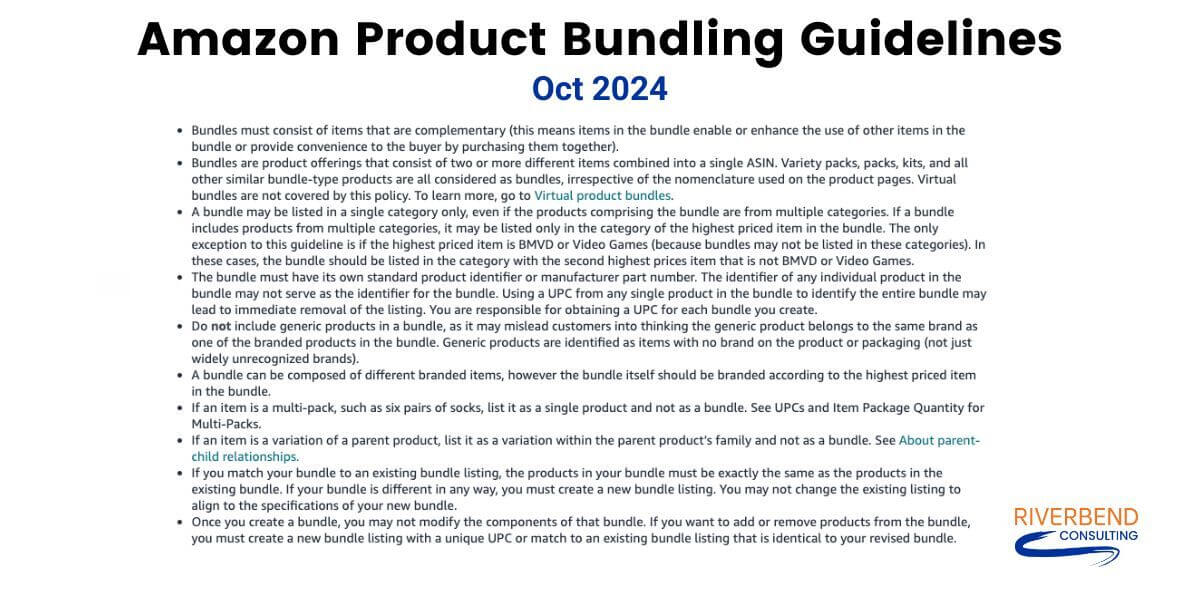
Fig. 1.0 Amazon Product Bundle Guidelines, Amazon Seller Central: Product Bundling Policy
Compliance guidelines for Amazon product bundles have recently become stricter, especially in grocery, health and beauty categories. Amazon now prohibits custom-created bundles in consumable categories unless the bundles are offered directly by the manufacturer. Failure to follow these updated guidelines can lead to severe consequences, including Amazon seller account suspension.
Dos
- Bundle complementary items: Ensure that products in your bundle logically go together. For example, bundling a high-quality yoga mat with an instructional video and yoga blocks offers real value to customers, helping them achieve their fitness goals.
- One ASIN for the entire bundle: Always list the bundle under a single ASIN, treating it as one product. This helps avoid confusion and ensures compliance with Amazon’s policies.
- Use the brand of the highest-ranking item: Always use the brand of the primary item in the bundle. Amazon requires this for transparency and accuracy.
- Clearly describe all items in the bundle: Provide detailed descriptions of each product included. This ensures that customers know exactly what they’re getting, which prevents confusion and dissatisfaction.
- Follow category-specific rules: Be extra vigilant about rules in specific categories. Effective October 14th, 2024, consumables can only be bundled if the original manufacturer has created the bundle. See the updated Amazon product bundle policy for more information.
Don’ts
- Don’t bundle unrelated items: Ensure all bundled items have a clear connection. For example, combining a cookbook with kitchen gadgets makes sense, while adding unrelated products like toys does not and would violate Amazon’s guidelines.
- Don’t create bundles with consumables: With the new update, you can no longer combine consumable products unless the manufacturer has packaged them together. For example, you cannot bundle snacks from different brands unless the original brand owner has created the pack.
- Don’t mislead with pricing: Be transparent. Inflated bundle prices or confusing offers can result in listing rejections or suspension.
- Don’t ignore Amazon’s documentation requests: Always respond when Amazon asks for verification or further documentation regarding your bundle. Ignoring these requests could delay your listings or result in penalties.
Things to consider regarding product bundling on Amazon
With these policy changes, it’s more important than ever to be mindful of the complexities of creating and selling bundles. Here are some key points to keep in mind.
Bundle returns can be costly
One downside of bundling is the potential impact on returns. If a customer is dissatisfied with even a single item in the bundle, you must accept the entire bundle back. This means higher return costs compared to single-item sales. You’ll also need to ensure that warranties or service plans cover the whole bundle, not just one component. Be prepared that bundling can make returns more expensive, so include these costs when setting your prices.
Authorization for branded products
If you don’t own the rights or authorization to sell specific brands, you must secure written consent from the brand owner or manufacturer before offering their products in a bundle. Amazon is increasingly enforcing authorization, especially for branded consumable goods. Non-compliance can lead to an Amazon seller account or ASIN suspension.
Keep flexibility in mind
Sometimes, one item in your bundle becomes more popular than the rest. In this case, unbundling the set and selling the item alone may be more profitable. Flexibility means you can respond to market demand and increase sales potential. Check with your fulfillment partner to see if they can break down bundles easily to give you the option of selling items individually if you need to make last-minute changes.
Optimizing inventory management for bundled products
Before you list your bundle for sale, it’s crucial to consider the fulfillment logistics. Bundling multiple products requires careful preparation, which can involve extra labor costs. Whether you handle fulfillment through FBA (Fulfillment by Amazon) or work with a third-party fulfillment partner, assembling the bundles, often called “kitting,” won’t happen automatically. Be sure to factor in these costs when pricing your bundle, as the added labor and time required can eat into your margins.
Consider shipping costs
Shipping costs can be higher for bundled products compared to single items. If a customer returns a bundle, you’ll be responsible for the cost of shipping both ways. Extra expenses add up quickly, so it’s important to account for them in your overall pricing strategy. Ensure your bundle price covers potential return shipping to avoid unexpected costs eating into your profits.
Updated Amazon product bundling rules for consumables
As of October 14th, 2024, Amazon no longer allows custom bundles for consumables, including grocery, health, pet and baby products, unless the manufacturer created the bundle.
You can no longer combine products from different brands into a single bundle nor list these bundles under a “Generic” or personal brand name. For example, you can list a pre-packaged baby care kit produced by a single brand, but you can’t create your own bundle by combining a baby lotion from one brand with baby wipes from another brand.
As a seller, you have until 2024 to ensure compliance. If your existing bundles violate the new policies, you will receive 30 days’ notice. Be proactive and review all your listings to avoid disruptions.
What happens if you breach Amazon’s product bundling rules?
Violating Amazon’s product bundling rules can seriously affect your business and can come as a surprise. The problem is that sellers inadvertently make mistakes, like failing to follow category-specific bundling rules. Amazon’s policies can be strict and vary, so it’s crucial to understand bundling requirements for your specific category.
Expect vague communication from Amazon
When you violate bundling rules, Amazon’s communication tends to be frustratingly vague. You might receive a message like, “Your account is deactivated… we received a report that your contributions to one or more listings below violate our IP policy or product bundling guidelines.” Unfortunately, this kind of message doesn’t give much insight into what went wrong, leaving you guessing whether it was a problem with your listing or something more serious, like intellectual property infringement. Even worse, Amazon often follows up with broad instructions, such as, “Submit a dispute to us if this is an error.” This leaves sellers wondering how exactly to proceed.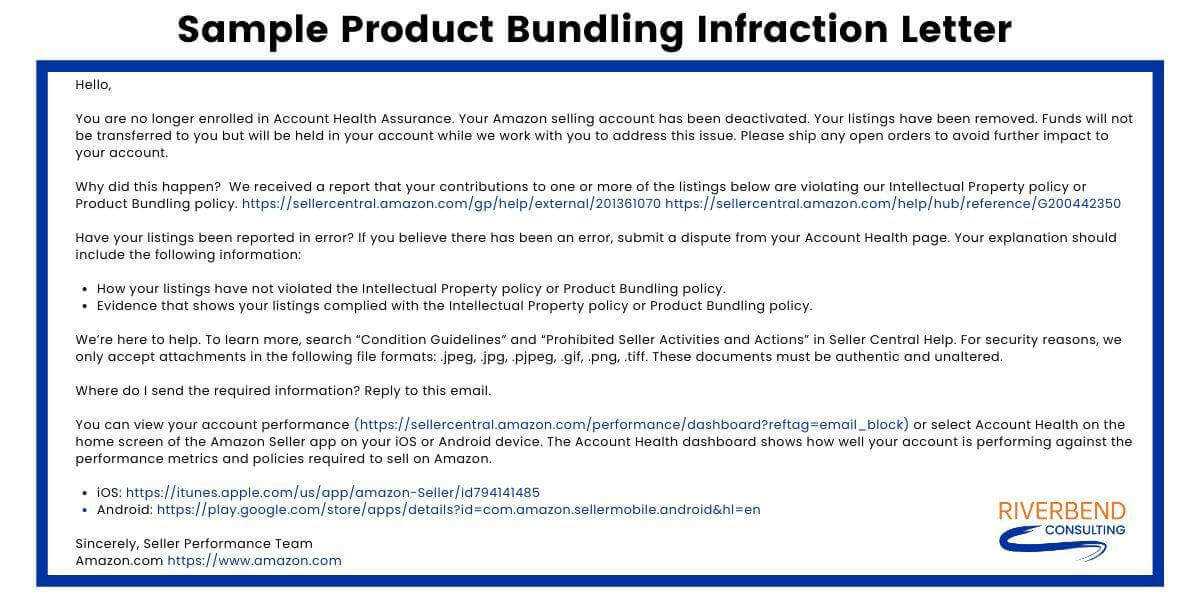
Consequences of bundling violations
Listing rejection: Amazon may reject your bundle listings outright if they violate their guidelines, particularly regarding brand misuse or non-compliance with product combinations.
Amazon seller account suspension: The most immediate consequence is that your entire account can be deactivated. Account suspension may happen suddenly, without clear warnings, especially if Amazon believes your bundle violates their guidelines or negatively impacts the marketplace.
How to respond to Amazon product bundling violations
If you believe Amazon has made an error or you want to dispute your Amazon seller account suspension, here’s what you can do:
- Submit a dispute to Amazon: If you believe your suspension was a mistake, submit a dispute through your account dashboard. When filing your dispute, be clear and concise. Include all relevant documentation, such as product invoices, proof of compliance with bundling policies and a detailed explanation of how your bundle follows Amazon’s guidelines.
- Create a Plan of Action (POA): In most cases, Amazon will require a detailed Amazon POA. A Plan of Action is a step-by-step outline of how you’ll correct the violation and prevent it from happening in the future. Address each issue specifically, whether it’s incorrectly labeled brands, unclear bundle descriptions, or a failure to follow category rules.
- Provide documentation: Attach any supporting documents, such as proof of product authenticity or evidence that your Amazon product bundle complies with their rules. Be thorough and professional in your approach to increase the chances of your success.
How to avoid Amazon product bundling violations
The best way to avoid Amazon product bundling violations is to be proactive. Carefully review Amazon’s product bundling guidelines and ensure your listings comply.
Pay attention to branding requirements and ensure that your bundles are complementary and add value to your customers. This attention to detail will help you avoid Amazon’s vague, frustrating correspondence and keep your business running smoothly.
Avoid bundle blunders
Amazon isn’t playing around when it comes to bundle violations. They’re coming down hard. Often, sellers are unaware they’re breaking the rules until it’s too late. The most frustrating part? There’s usually no warning, no heads-up—just a sudden suspension of your account. With Amazon’s constantly shifting guidelines, sellers are left unprepared and scrambling to fix violations they never saw coming.
Enlist the help of experts who live and breathe Amazon’s ever-changing policies. Riverbend Consulting’s Amazon problem solving experts help keep you compliant and avoid these costly mistakes before they happen. Don’t wait for your next account suspension notice—protect your business with the right guidance. Contact us today for help with Amazon product bundling.
Seller Account Health. Solved.