
Amazon holiday returns are an inevitable part of e-commerce, especially during the busy shopping season. While the process remains consistent year-round, managing holiday returns effectively is crucial for maintaining strong buyer relationships and protecting your account health. Returns can influence your key metrics, profit margins and overall seller performance, making a proactive approach essential during this high-stakes time.
What are Amazon returns?
Amazon returns occur when a customer returns a purchased item to Amazon for a refund, replacement, or credit. Returns can happen for various reasons, like defective products, incorrect orders, unmet expectations, or buyer’s remorse. Once a return is initiated, Amazon assesses the item’s condition to determine if it can be resold, needs repair, or must be disposed of.
Returns affect customer satisfaction and influence key metrics like seller ratings and account health. The FBA customer returns policy aims to provide a hassle-free experience for buyers.
Amazon holiday returns: 2024 extended return window
For the 2024 holiday season, Amazon has extended its return window to offer more flexibility for shoppers and gift recipients. Most items purchased between November 1 and December 31, 2024, are eligible for return through January 31, 2025. The extended policy allows customers to shop confidently during the busy holiday season, knowing they have additional time to return items if needed.
The best way to handle Amazon holiday returns
The holiday season is a peak time for purchases and returns. It’s also an opportunity to reinforce your commitment to customer satisfaction. When buyers return items during the holidays, their feedback can be more valuable. Whether it’s an issue with sizing, functionality, or unmet expectations, these insights provide a clear path to improvement.
To stand out during this busy season, send personalized follow-up messages to thank buyers for their input and let them know how you address their concerns. Emphasize any changes you’re making to prevent similar problems in the future, such as enhancing product descriptions, refining packaging, or adjusting fulfillment timelines.
Step 1 Understand the return request: Every return starts with a buyer submitting a request. Log into Seller Central to review the request details. Verify the eligibility of the item based on Amazon’s policies. Look out for defective products, incorrect items sent, or buyer remorse.
Step 2 Approve or decline the request appropriately: If the item is eligible for return under Amazon’s guidelines, approve the request promptly. If not, politely explain to the buyer why the return cannot be accepted. Keep communication clear and professional to avoid misunderstandings or negative feedback.
Step 3 Generate a return shipping label: Use Amazon’s return shipping label system to ensure the process is smooth for the buyer.
Step 4 Monitor the return shipment: Track the package using the provided ID number. Tracking helps you stay informed about when and where the return arrives.
Step 5 Inspect the returned Item: Carefully examine the returned item. Check for damage, missing components, or signs of use. Record the condition with photos for your records in case of disputes.
Step 6 Process the refund: Refund the buyer promptly, following Amazon’s guidelines. If the item is damaged or unsellable due to the buyer’s actions, deduct an appropriate restocking fee (as allowed by Amazon) before issuing the refund.
Step 7 Document the return: Maintain a record of all returns. This will help you identify patterns, track costs and respond to future disputes or claims.
Managing Amazon holiday returns ensures a smooth experience for the buyer while protecting your Amazon seller account health.
What are Amazon return fees?
Amazon return fees are charges sellers incur for processing customer returns, covering handling and restocking costs. FBA fees vary based on the item’s size, weight and category. Categories like apparel and shoes incur per-item fees, while other products are charged if return rates exceed category-specific thresholds.
You can reduce return fees by improving product quality, creating accurate listings and managing customer expectations. Monitoring return rates through tools like the FBA Returns page helps you stay informed and minimize costs.
2024 Amazon FBA return processing fee update
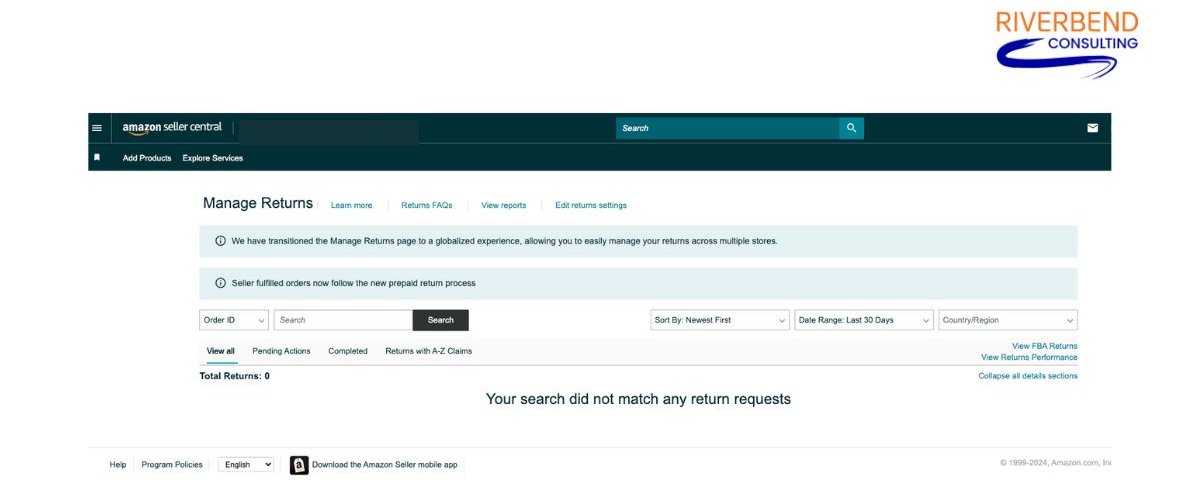
As of June 1, 2024, Amazon introduced a returns processing fee for products (excluding apparel and shoes) with return rates exceeding category-specific thresholds. This fee aims to offset operational costs and minimize waste.
The return rate is calculated as the percentage of units returned during the shipment month and the following two months, with fees charged on returns exceeding the threshold. Products shipping fewer than 25 units a month are exempt and apparel and shoes incur fees per returned unit without thresholds. You can track return rates and thresholds via the FBA Returns page, which is updated three times per week.
Amazon return settings: What you need to know
Amazon offers several customizable return settings to make return management more efficient. Understanding and optimizing these settings can save you time and effort while improving buyer satisfaction.
Amazon return settings:
- Return Merchandise Authorization (RMA): Automating the RMA process allows you to approve return requests faster. This is especially useful for high-volume sellers.
- Returnless refunds: Amazon allows sellers to offer returnless refunds for low-cost items or products that would be too expensive to ship back. While this can save costs, it’s essential to use this feature strategically to avoid abuse.
- Default return address: Ensure your return address in Seller Central is accurate and up-to-date. This prevents returned items from being lost or delayed.
- Inspection periods: For seller-fulfilled orders, you can specify how long you need to inspect a returned item before processing a refund. Use this time wisely to ensure the item meets your return criteria.
Will Amazon penalize me for too many returns?

Amazon monitors your return rate as part of your overall account health. Excessive returns indicate product quality issues, misleading listings, or other problems. While occasional spikes in returns won’t lead to penalties, recurring issues could result in:
- Listing suppression for problematic ASINs.
- Negative impacts on your customer metrics.
- Account warnings or even Amazon seller account suspension in severe cases.
Amazon uses key metrics to assess seller performance, including:
- Order Defect Rate (ODR): Returns can generate item quality investigations by Amazon, or buyers unhappy with the return process may leave bad feedback or file a dispute. All of these could impact your ODR.
- Customer service performance: A slow or poor response to return requests signals to Amazon that you aren’t prioritizing the buyer experience.
- Account health warnings: Recurring issues with returns may result in Amazon issuing warnings or investigating your account activity. In severe cases, Amazon seller account suspension may occur.
Regularly review your product listings to ensure descriptions and images match the item to mitigate risks. Address common return reasons proactively by improving product quality or offering more transparent sizing information. Lastly, monitor your return rate closely and respond to trends before they become problematic.
What items does Amazon not want returned?
Not all items are eligible for return. The Amazon return policy is designed to protect buyers and sellers from unnecessary complications.
Examples of non-returnable items:
- Perishable goods: Groceries, flowers, and other perishable products are typically non-returnable.
- Customized items: Products with personal engraving or custom specifications often cannot be returned.
- Hygiene and health products: Opened makeup, skincare, and intimate items are generally non-returnable for safety reasons.
- Digital products: E-books, apps and digital subscriptions are not returnable.
To avoid confusion, clearly state in your product listing if an item falls into one of these categories. Transparency is key to avoiding customer dissatisfaction.
Does Amazon inspect returned items?
Amazon inspects returned items differently depending on the fulfillment method.
- For FBA (Fulfilled by Amazon) sellers: When items are returned to an Amazon fulfillment center, they are inspected to determine whether they can be resold as “new” or need to be classified as “used” or “unsellable.” Amazon may also decide to discard items that are heavily damaged or pose a risk to future buyers.
- For FBM (Fulfilled by Merchant) sellers: You are responsible for inspecting returned items. When receiving a return, thoroughly document the item’s condition and keep photos for your records. If you find the item doesn’t match the return reason given by the buyer, you can appeal to Amazon for reimbursement.
Maintaining detailed inspection records can protect you in disputes and ensure you handle returns efficiently.
Amazon product return challenges
Mishandling returns can lead to negative feedback, disputes and even Amazon seller account suspension.
Common mistakes to avoid:
- Ignoring buyer requests: Failing to address return requests, even if they seem unwarranted, can hurt your Response Time metrics and lead to frustrated buyers and negative feedback. Ignored requests can also trigger Amazon investigations and account warnings.
- Delaying refunds: Amazon has strict timelines for refund processing. Delays result in automatic refunds at your expense and can lead to penalties such as account warnings or lower Order Defect Rates (ODR). Chronic delays might put your account at risk of suspension.
- Failing to update settings: Outdated return addresses or mismatched return instructions can confuse buyers and result in unresolved returns. Amazon might penalize sellers for unresolved buyer complaints, which affects your Customer Service Performance metrics and increases the likelihood of suspension.
- Neglecting to track returns: Losing track of returned items can lead to financial loss, disputes, and unsatisfied buyers. Disputes over unprocessed returns might trigger Amazon A-to-Z claims, which significantly affect your ODR and could lead to listing restrictions or suspensions if unresolved.
Avoiding these pitfalls can help protect your account and ensure a positive buyer experience.
How to prevent Amazon holiday returns before they happen

While handling returns effectively is essential, preventing them in the first place can save you time, money and stress. High return rates often indicate underlying issues with product quality, listing accuracy, or customer expectations. Proactively address these areas to minimize returns and improve customer satisfaction.
1. Create accurate and detailed listings:
- Use high-quality images. Incorporate holiday themes as appropriate.
- Include accurate dimensions, specifications and clear features and benefits.
- To reduce fit-related returns, provide sizing guides.
2. Focus on product quality:
- Perform quality checks on inventory before shipment.
- Address any recurring defects buyers report by working with your suppliers or manufacturers.
- Consider testing your product yourself to ensure it meets expectations.
3. Manage buyer expectations:
- Be transparent about product capabilities and limitations. Overpromising in your listing can lead to disappointed buyers and returns.
- Offer clear instructions for product use, either in your listing or as part of your product packaging.
4. Encourage customer engagement:
- Use Amazon’s buyer-seller messaging system to answer pre-purchase questions. Proactively addressing concerns can help buyers make informed decisions.
- Request buyer feedback to learn how to improve your product or listing.
5. Holiday strategies for reducing returns
Return rates often spike during the holidays due to gift-giving errors and heightened buyer expectations. Tailor your approach to this busy season by:
- Highlighting gift-ready features and seasonal benefits in your listings.
- Providing clear sizing guides and gift suggestions to reduce mismatches.
- Enhancing quality checks on popular items to avoid issues during the rush.
- Communicating shipping deadlines and holiday return policies to manage expectations.
How to use Amazon holiday returns as a learning opportunity
While often viewed as a setback, Amazon holiday returns can provide valuable insights for improving your business. Instead of processing returns and moving on, take the opportunity to analyze the reasons behind them.
1. Analyze return data:
- Review the reasons buyers provide for their returns. Are they consistently citing specific issues, such as incorrect descriptions or damaged products?
- Use Amazon’s Return Reports in Seller Central to identify patterns and address recurring problems.
2. Improve your processes:
- If you notice repeated shipping damage, review your packaging materials and methods.
- For frequent complaints about product quality, consider switching suppliers or conducting more rigorous quality checks.
3. Enhance customer experience:
- Send a follow-up message to buyers who returned items, expressing gratitude for their feedback and outlining solutions or corrective actions to address their concerns and prevent similar issues in the future.
- If the return reason stems from buyer error, include more straightforward usage instructions or warnings in your listing and packaging.
4. Implement strategic adjustments:
- Discontinue products with consistently high return rates if they cannot be improved profitably.
Amazon holiday returns don’t have to be a headache
A well-executed return process can safeguard your Amazon seller account health and strengthen your reputation as a dependable seller. Refining your settings, responding promptly to buyers and analyzing return data ensures you stay compliant with Amazon’s policies while enhancing the customer experience.
Each return provides valuable insights to help you address gaps in your listings, improve product quality and exceed buyer expectations. Focusing on proactive solutions and a buyer-first mindset ensures that returns become a tool for continuous improvement rather than a source of frustration.
Searching for the perfect gift? My new book, The Amazon Incubator, is a practical guide for Amazon sellers. Empower your Amazon business with expert insights and actionable strategies.
Seller Account Health. Solved.